The Quiet Work That Makes the Difference
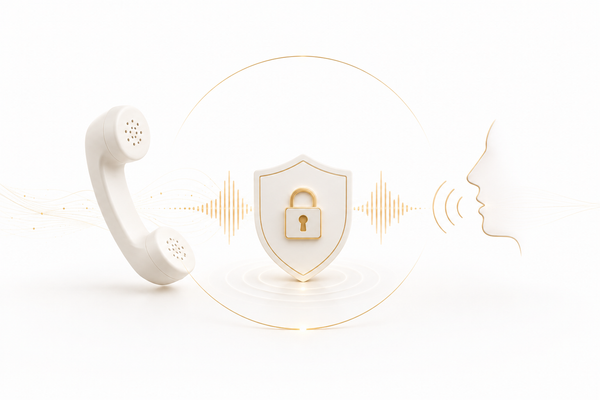
Trust makes or breaks AI in hiring. Learn how recruiter-defined rubrics, explainable scoring, and transparent design build confidence and fairness at scale.

When people talk about AI in hiring, automation usually gets the spotlight.
Faster screening, reduced bias, greater efficiency. On paper, the case looks flawless.
But in practice, one factor determines whether automation truly delivers on its promise: trust.
If recruiters don’t trust what’s happening behind the interface, they hesitate to rely on it. If candidates don’t trust the process, they disengage.
Why Hesitation Is Rarely About the Technology
Most skepticism toward hiring automation doesn’t come from fear of innovation. It comes from uncertainty.
Recruiters are not resisting AI because they’re “old-school.” They’re asking rational questions:
- Who defines what “good” looks like?
- What happens if the system misjudges someone?
- Can I see why it made that decision?
- Am I still in control of the outcome?
These questions are healthy. They reveal not resistance but a demand for transparency.
When they’re ignored, adoption quietly stalls. Teams nod through demos but default back to manual work because they don’t yet trust the machine’s judgment.
Trust Is Built Through Co-Creation
At NovaForge, we have learned that trust in hiring automation isn’t built with dashboards or promises of “no bias.” It is built through co-creation — when recruiters take an active role in shaping how AI evaluates candidates.
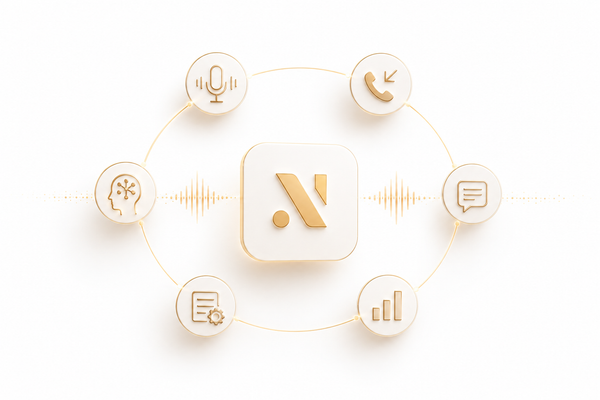
In our platform, recruiters define the evaluation rubrics: the exact skills, behaviors, and communication traits they value. The AI doesn’t decide what excellence looks like; it applies the criteria recruiters already believe in.
Each interview question carries a rubric that reflects the organization’s priorities — from clarity and teamwork to critical thinking or language fluency.
The AI then listens, interprets, and scores responses against those human-defined standards.
When they see how criteria map to scoring logic, confidence grows.
They understand that the AI isn’t judging candidates; it’s amplifying their judgment at scale.
Transparency Turns Skepticism Into Confidence
Explainability changes the relationship between people and automation.
When recruiters can open a call summary and see how specific phrases, tone shifts, or examples influenced the score, AI stops feeling mysterious.
They can challenge or adjust a rule. They can refine rubrics after each round.
This transparency transforms automation from a black box into a collaborative workspace.
Recruiters feel empowered because they know they can trace the reasoning behind every decision.
Fairness isn’t a marketing claim — it’s an experience created by visibility.
Trust Takes Design, Not Persuasion
Many organizations try to “sell” automation to their teams with training sessions and change-management slides. But trust cannot be sold; it must be designed into the workflow.
We once observed a company that introduced automated voice interviews but never shared the scoring logic with their hiring managers. Within weeks, adoption dropped. Recruiters didn’t know whether the AI’s recommendations reflected their hiring philosophy or generic patterns.
The fix wasn’t better marketing; it was better design. By embedding explainable scoring, adjustable rubrics, and visible rationales into each candidate report, recruiters could finally see their own expertise mirrored in the system.
People trust what they understand. And they engage deeply with systems that respect their intelligence.
The Human Element Behind Every System
Automation in hiring doesn’t replace recruiters; it redefines their focus.
Instead of spending hours scheduling calls or taking notes, they spend time refining rubrics, interpreting signals, and mentoring hiring managers.
The recruiter’s role shifts from operator to strategic evaluator.
They guide the AI, not the other way around.
This balance is also what candidates notice.
When recruiters spend less time on logistics and more time giving meaningful feedback, candidate experience improves. The process feels consistent but never mechanical.
Trust Isn’t a Feature. It’s a Practice.
Automation in hiring is not a plug-and-play tool; it’s a living collaboration between humans and systems.
It changes what people do every day and how they measure success.
At NovaForge, we believe automation must earn its role just like any valuable teammate.
That means:
- Showing the reasoning behind every recommendation.
- Allowing recruiters to define and refine their rubrics.
- Inviting feedback from both recruiters and candidates.
- Leaving space for human judgment where nuance matters.
Because real transformation doesn’t happen when systems run faster.
It happens when people trust them enough to move forward together.
And that trust begins not with promises of AI accuracy, but with a design that keeps humans in the loop — visible, informed, and in control.