Can AI Make Hiring Fairer?
AI can make hiring fairer, but only if recruiters define fairness and hold algorithms accountable. Discover how explainability and human oversight build real equity.
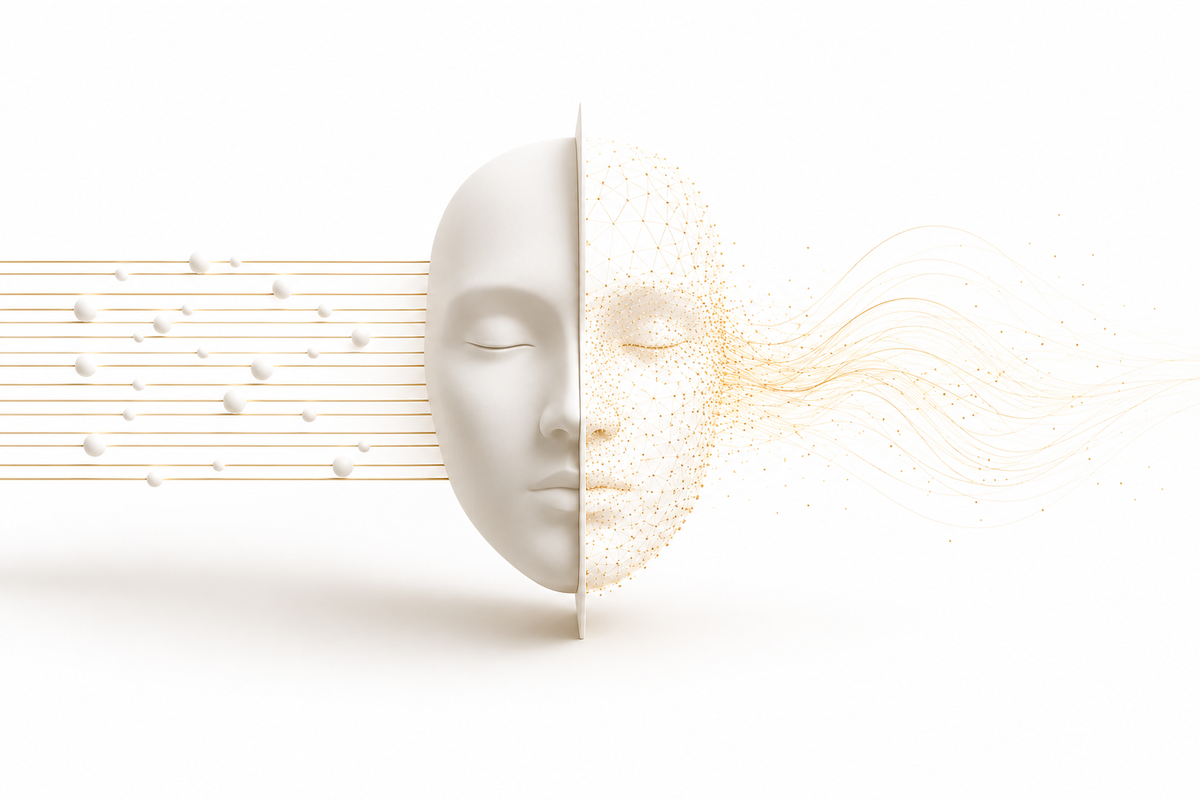
Only If We Stop Pretending It Automatically Does
We’ve long known hiring is flawed.
Bias sneaks in through résumés, names, schools, accents, even zip codes. Some of it is unconscious, some of it is systemic, and too often it’s accepted as “just the way things are.”
So it’s no surprise that people hope AI can fix this.
Here’s the truth: AI can make hiring fairer — but only if we intentionally design it to do so.
Fairness is not a default feature. It’s an outcome of who builds the system, what it’s trained on, and how we choose to use it.
Left unchecked, AI doesn’t remove bias — it scales it faster.
This isn’t a cheerleading post for AI. It’s a practical look at where automation helps, where it harms, and how companies can build AI systems that actually move us closer to equity.
The Promise: Where AI Can Make Hiring Fairer
1. Flagging Biased Outcomes Most Teams Can’t See
Human decision-making is messy. Fatigue, time pressure, and unconscious bias shape judgments in ways that are hard to track.
AI can process large volumes of hiring data and detect patterns no team could spot manually.
It can show whether certain demographics consistently fall off at specific stages or whether subjective interviews produce unequal outcomes.
When built responsibly, AI can:
- Score candidates blindly, ignoring names, photos, or demographic markers.
- Apply structured rubrics consistently across every interview.
- Surface bias trends in your hiring data before they turn into headlines.
The result is not “perfect fairness,” but better visibility — a mirror showing where your process needs work.
2. Giving Voice to Overlooked Candidates
Many qualified people never get a fair look. Maybe their résumé format is nontraditional, their experience nonlinear, or their career interrupted.
AI can help surface these candidates if it’s trained on the right signals.
For example, instead of valuing degrees above skills, an AI trained on rubrics that weigh communication clarity, adaptability, and problem-solving can recognize strong candidates who took alternative paths.
The key: AI shouldn’t replace human empathy. It should extend it; giving every voice a fair chance to be heard.
3. Creating Consistency and Accountability
AI doesn’t get tired on Friday afternoons.
It doesn’t rush through calls or skip notes.
It applies the same structure every time, ensuring consistency — one of the most powerful fairness mechanisms we have.
That structure is exactly what allows accountability. With AI, every decision can be traced back to criteria, not convenience.
The Risk: What AI Can’t or Shouldn’t Decide
1. It Can’t Define Fairness For You
Fairness is not math — it’s a set of values.
Should you prioritize diversity or experience? Weigh lived experience as much as credentials? Include candidates with nontraditional backgrounds?
AI doesn’t know.
It will mirror whatever assumptions you give it, or worse, the ones you don’t.
This is why recruiter-defined rubrics are so important.
At NovaForge, fairness begins with recruiters setting the standards themselves. The AI evaluates candidates through those human-created lenses, not arbitrary patterns from historical data.
2. It Might Mistake “Fit” for “Familiar”
When companies use AI to predict “culture fit,” they risk reinforcing what already exists.
If your team is 80% alike today, a model trained on past hires will likely reproduce that sameness.
Amazon learned this the hard way in 2018, when its internal AI recruiting tool began penalizing women’s résumés — because the historical data it was trained on reflected a male-dominated workforce.
AI can’t know your culture’s aspiration. It only knows your history.
3. It Can Scale Bad Judgments Faster
A biased human decision affects one candidate.
A biased algorithm can affect ten thousand — instantly.
Without human oversight, bias moves from isolated error to systemic injustice at scale.
And because it happens quietly, it’s harder to detect.
The solution isn’t to avoid AI; it’s to build auditable systems with explainable logic and clear human checkpoints.
The Path Forward: Human Responsibility, Algorithmic Transparency
AI can enhance fairness if we design it around responsibility rather than replacement.
That means:
- Setting fairness goals upfront (equal opportunity, demographic parity, or equal precision rates).
- Training on diverse datasets, not historical convenience.
- Monitoring results continuously for disparate impact.
- Offering explainable decisions, so recruiters understand why a score or ranking appears.
At NovaForge, we build this transparency into every voice interview and signal summary. Recruiters define rubrics and can trace how each answer aligns with their own criteria.
No black boxes. No hidden logic. Just visible, structured fairness at scale.
Final Thought: AI Is a Mirror, Not a Savior
AI will not magically make hiring fair.
But it can help us see where we’ve been unfair and give us tools to do better.
Because the worst thing we could do is automate a broken system, label it “objective,” and call it progress.
The future of fairness in hiring depends on us, not the algorithms.
And the right question to start with isn’t “Can AI fix bias?”
It’s this:
If our system made no assumptions, who would finally get a shot?